

Importance of Material Choice in Roofing Quotes
When it comes to getting a roofing quote, one of the key factors that significantly impacts the overall cost of the project is the choice of roofing material. Different materials come with varying price tags, and understanding how material choice influences costs is crucial for making informed decisions.
Types of Roofing Materials and Cost Implications
Roofing materials range from traditional asphalt shingles to more premium options like metal, tile, or slate. Each material has its own set of characteristics, durability, and aesthetic appeal, but they also come with different price points.
- Asphalt Shingles: Asphalt shingles are the most common and affordable roofing material, making them a popular choice for budget-conscious homeowners. They are cost-effective but may require more frequent replacement compared to other materials.
- Metal Roofing: Metal roofs are durable and long-lasting, offering excellent protection against the elements. While they come with a higher upfront cost, they can save money in the long run due to their longevity and energy efficiency.
- Tile Roofing: Tile roofs are known for their beauty and longevity, but they also come with a higher price tag. The cost of tile roofing can vary depending on the type of tile used, such as clay or concrete.
- Slate Roofing: Slate roofs are considered a premium option due to their elegant appearance and exceptional durability. However, they are among the most expensive roofing materials available.
Factors Influencing Material Cost in Roofing Projects
Several factors can influence the cost of roofing materials in a project, including:
- Quality and Brand: Higher quality materials from reputable brands typically come at a higher cost.
- Roof Size and Complexity: The size and design of the roof will impact the amount of material needed and, consequently, the overall cost.
- Location: Prices for roofing materials can vary depending on the region and local market conditions.
- Installation Requirements: Some roofing materials are more labor-intensive to install, which can affect the overall cost of the project.
Types of Roofing Materials

When it comes to choosing the right roofing material for your home, there are several options available in the market. Each type of material comes with its own set of pros and cons, impacting factors such as cost, durability, and maintenance requirements.
Asphalt Shingles
Asphalt shingles are one of the most common roofing materials used in residential properties. They are affordable and come in a variety of colors and styles. However, they may not be as durable as other materials and may require more frequent maintenance.
Metal Roofing
Metal roofing is known for its longevity and durability. While it may have a higher upfront cost compared to asphalt shingles, it requires minimal maintenance and can last for decades. Metal roofing is also energy-efficient and environmentally friendly.
Wood Shingles
Wood shingles give a natural and rustic look to a home. They are eco-friendly and can provide good insulation. However, wood shingles are more susceptible to fire and may require regular maintenance to prevent rot and mold growth.
Clay Tiles
Clay tiles are popular for their aesthetic appeal and longevity. They are resistant to fire, insects, and rot. However, clay tiles can be heavy and may require additional structural support. They are also one of the more expensive roofing materials.
Slate Roofing
Slate roofing is known for its elegant appearance and exceptional durability. It can last for over a century with proper maintenance. However, slate roofing is one of the most expensive options and may not be suitable for all budgets
Factors Influencing Material Cost
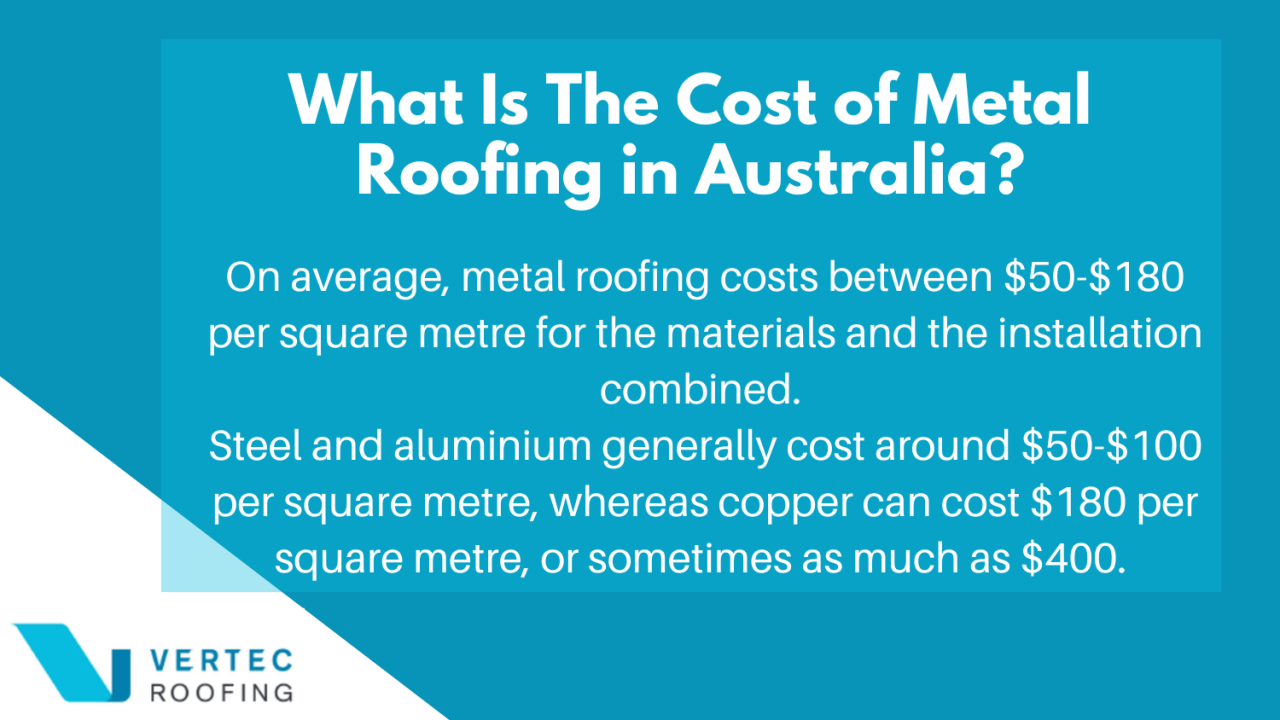
When it comes to determining the cost of roofing materials, several factors come into play. Factors such as availability, quality, location, design, slope of the roof, climate, and weather conditions can all influence the overall cost of materials.
Availability, Quality, and Location
The availability of certain roofing materials in a specific area can greatly impact their cost. Materials that need to be imported or transported over long distances may come with higher price tags due to shipping and handling costs. Additionally, the quality of the materials can also affect their price, with higher quality materials usually costing more.
The location of the project can also influence material costs, as labor and transportation expenses can vary depending on the region.
Design and Slope of the Roof
The design and slope of the roof can impact the amount and type of materials needed for the project. Complex roof designs or steep slopes may require more materials, which can drive up the overall cost. Additionally, certain roofing materials may be better suited for specific roof designs, affecting their cost as well.
Climate and Weather Conditions
The climate and weather conditions in a particular area can also play a significant role in material selection and cost. Areas prone to extreme weather conditions such as high winds, heavy rain, or snow may require more durable and weather-resistant materials, which can be more expensive.
On the other hand, regions with milder climates may have more flexibility in material choices, potentially impacting the cost as well.
Cost-Benefit Analysis of Roofing Materials
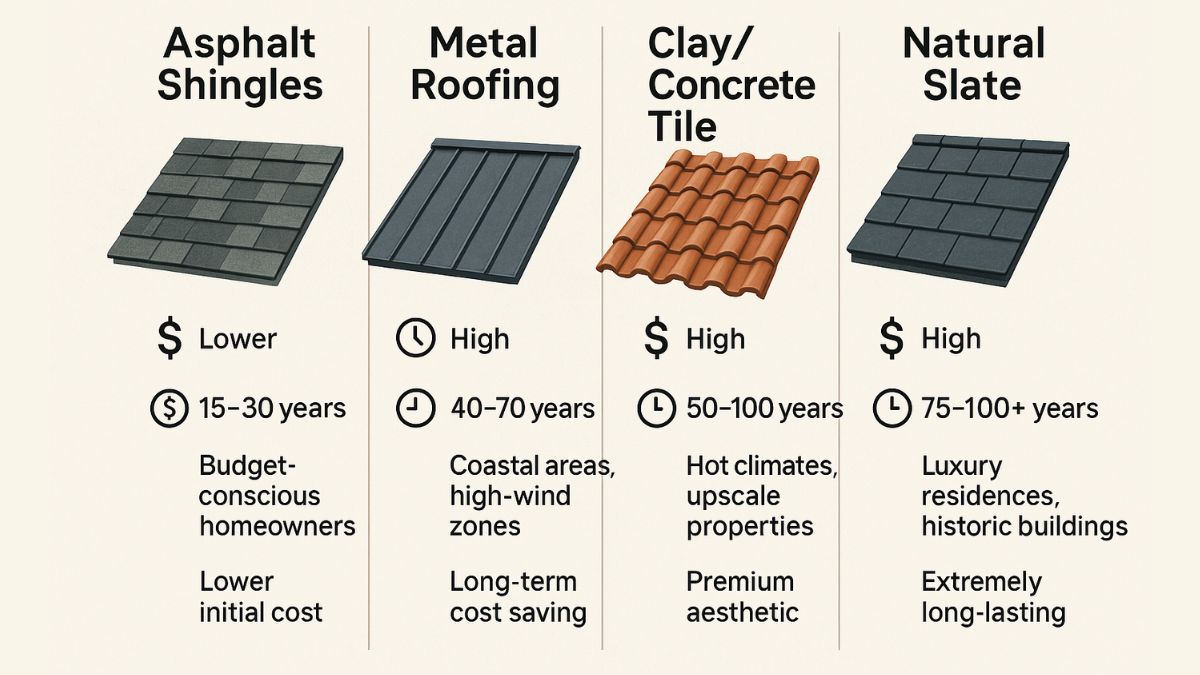
Choosing between durable but expensive materials and cheaper alternatives in roofing projects involves a cost-benefit analysis that considers various factors to make an informed decision. It is essential to weigh the initial costs against the long-term benefits to determine the most cost-effective option for your specific needs.
Longevity and Energy Efficiency Offset Initial Costs
When selecting roofing materials, opting for durable but expensive options such as metal roofs or clay tiles can offer significant long-term benefits. While the initial cost may be higher compared to cheaper alternatives like asphalt shingles, the longevity of these materials can offset the initial investment.
Additionally, high-quality materials often come with better energy efficiency, reducing heating and cooling costs over the roof's lifespan.
- Metal roofs, though expensive upfront, can last 50+ years, requiring minimal maintenance compared to asphalt shingles that typically last 20-25 years.
- Clay tiles are known for their durability and can withstand harsh weather conditions, providing a longer lifespan and reducing the need for frequent repairs or replacements.
- Investing in energy-efficient roofing materials like cool roofs or solar panels can lead to lower energy bills and potential tax credits or incentives, contributing to long-term savings.
Cost-Effectiveness of High-Quality Materials in the Long Run
In certain situations, investing in high-quality roofing materials can be more cost-effective in the long run, despite the higher initial cost. For instance, if you plan to stay in your home for many years, choosing a durable material that requires minimal maintenance and has a longer lifespan can save you money on repairs and replacements down the line.
Additionally, high-quality materials can enhance the curb appeal and value of your property, offering a return on investment when it comes to resale value.
- Roofing materials like slate or copper, although expensive, can last a century or more, making them a worthwhile investment for homeowners looking for a long-term roofing solution.
- Composite shingles, while pricier than asphalt, offer enhanced durability and aesthetic appeal, making them a cost-effective choice for those seeking a balance between quality and affordability.
FAQ Overview
How does material choice influence the cost of a roofing project?
Material choice significantly impacts the overall cost of a roofing project as different materials vary in price, durability, and maintenance needs.
What are some factors that affect material costs in roofing projects?
Factors like availability, quality, location, design, and climate conditions can influence material costs in roofing projects.
Is investing in high-quality but expensive materials always more cost-effective?
Not necessarily. A cost-benefit analysis is essential to determine whether the longevity and energy efficiency of expensive materials justify the initial investment.