
Legal Framework for Collaborating Physicians

Collaborating physicians play a crucial role in the healthcare team by working alongside physician assistants to provide quality patient care. They are responsible for overseeing the work of physician assistants, providing guidance, and ensuring that care meets established standards.
Overview of Legal Requirements and Regulations
Collaboration between physicians and physician assistants is governed by state laws, which Artikel specific requirements for supervision and delegation of tasks. These laws vary by state but generally require a written agreement between the physician and the physician assistant.
- Collaborating physicians must be available for consultation and direction as needed by the physician assistant.
- Physician assistants must practice under the supervision of a collaborating physician, who is ultimately responsible for their actions.
- State medical boards regulate the collaboration and may require specific documentation and reporting.
Responsibilities and Liabilities of Collaborating Physicians
Collaborating physicians have a duty to ensure that physician assistants are properly trained and competent to perform delegated tasks. They are liable for any negligence or malpractice that occurs under their supervision.
- Physicians must review and sign off on patient charts and treatment plans created by physician assistants.
- They are responsible for overseeing the prescribing of medications and ensuring it complies with state regulations.
- Collaborating physicians must be aware of the scope of practice of the physician assistant and provide appropriate supervision.
Structure and Enforcement of Collaborating Physician Agreements
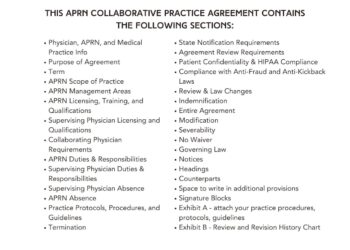
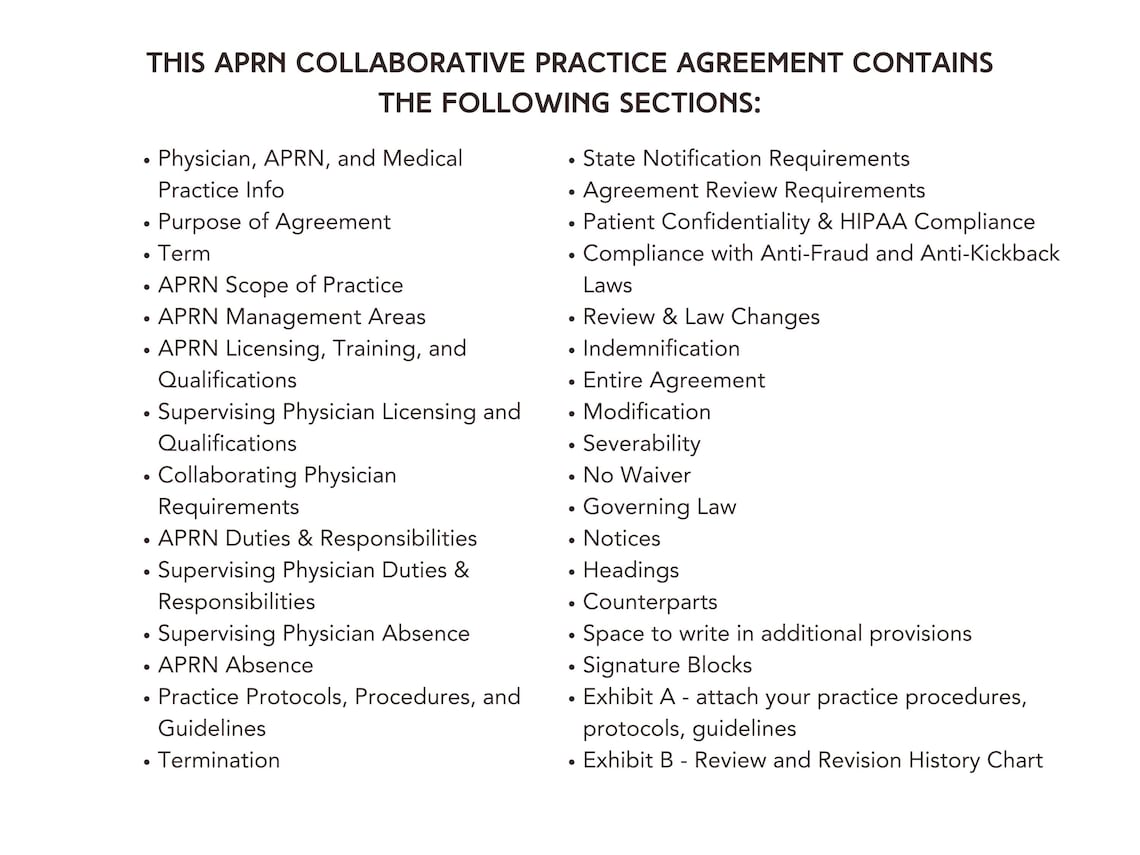
Collaborating physician agreements typically Artikel the terms of collaboration, including the scope of practice, supervision requirements, and protocols for communication and decision-making. These agreements are legally binding and must be followed to ensure compliance with state regulations.
It is essential for collaborating physicians to establish clear communication channels and protocols to ensure effective collaboration with physician assistants.
Scope of Practice for Physician Assistants
Physician assistants (PAs) are healthcare professionals who are licensed to practice medicine under the supervision of a physician. The scope of practice for PAs Artikels the specific duties and responsibilities they are allowed to perform based on their training and certification.
Definition of Scope of Practice for Physician Assistants
The scope of practice for physician assistants refers to the range of medical activities and tasks that a PA is permitted to carry out under the supervision and collaboration of a licensed physician. This includes conducting physical exams, diagnosing illnesses, developing treatment plans, prescribing medications, and providing patient education.
Limitations and Permissions within the Scope of Practice for Physician Assistants
- Limitations: Physician assistants must work under the supervision of a collaborating physician and adhere to state laws and regulations governing their practice. They cannot practice independently and must consult with their supervising physician for complex cases.
- Permissions: PAs have the authority to perform a wide range of medical procedures, order diagnostic tests, and prescribe medications under the delegation of their collaborating physician.
Comparison of Scope of Practice for Physician Assistants with and without Collaborating Physicians
When working with a collaborating physician, PAs have the opportunity to take on more complex cases and procedures that they may not be able to handle independently. The presence of a collaborating physician allows PAs to expand their scope of practice and provide a higher level of care to patients.
Role of Collaborating Physicians in Expanding the Scope of Practice for Physician Assistants
- Collaborating physicians play a crucial role in mentoring and guiding PAs in their clinical practice, helping them develop their skills and knowledge.
- Collaborating physicians can provide oversight and support to PAs, especially in challenging cases or situations where a higher level of expertise is required.
- By working closely with collaborating physicians, PAs can gain valuable experience and confidence in managing a wide range of medical conditions, ultimately enhancing their ability to provide quality care to patients.
Collaborative Relationship Dynamics
Effective communication between collaborating physicians and physician assistants is essential in providing quality patient care. Open and clear communication ensures that both parties are on the same page regarding treatment plans, patient progress, and any changes in the care plan.
This helps in avoiding errors, improving efficiency, and ultimately enhancing patient outcomes.
Building a Strong Collaborative Relationship
- Establishing mutual respect: Both physicians and physician assistants should value each other's expertise and contributions to patient care.
- Setting clear expectations: Define roles, responsibilities, and communication methods from the start to prevent misunderstandings.
- Regular check-ins: Schedule periodic meetings to discuss cases, share feedback, and address any concerns that may arise.
- Encouraging feedback: Create a culture where both parties feel comfortable providing constructive feedback to improve collaboration.
Benefits of Collaborative Teamwork
- Improved patient outcomes: By working together, physicians and physician assistants can provide comprehensive care that addresses all aspects of a patient's health.
- Enhanced efficiency: Collaboration allows for better utilization of resources, leading to more streamlined care delivery.
- Professional growth: Collaborating enables both parties to learn from each other's experiences and knowledge, fostering continuous professional development.
Successful Collaborations in Healthcare
One example of successful collaboration is when a physician and a physician assistant work together to manage a chronic disease patient. The physician sets the treatment plan, while the physician assistant monitors the patient's progress, adjusts medications as needed, and provides education on lifestyle modifications. This collaborative approach ensures that the patient receives comprehensive care and support.
Legal Risks and Challenges

Collaborating physician relationships come with their own set of legal risks and challenges that both physicians and physician assistants need to be aware of in order to navigate successfully.
Malpractice Liability
- Physicians can be held liable for the actions of their collaborating physician assistants.
- It is crucial for collaborating physicians to ensure that physician assistants are properly trained and supervised to minimize the risk of malpractice claims.
- Having clear protocols, guidelines, and communication channels in place can help mitigate malpractice liability.
Scope of Practice Compliance
- Physician assistants must operate within their defined scope of practice, as Artikeld by state regulations.
- Collaborating physicians need to ensure that the tasks delegated to physician assistants fall within their authorized scope of practice.
- Regularly reviewing and updating scope of practice agreements can help maintain compliance and avoid legal issues.
HIPAA and Patient Confidentiality
- Maintaining patient confidentiality is crucial in any healthcare setting.
- Collaborating physicians and physician assistants must adhere to HIPAA regulations to protect patient privacy.
- Training on HIPAA policies and procedures is essential for all healthcare team members to prevent breaches and legal consequences.
Contractual Agreements
- Clear and comprehensive contractual agreements between collaborating physicians and physician assistants are essential.
- Agreements should Artikel roles, responsibilities, supervision requirements, and dispute resolution mechanisms.
- Regularly reviewing and updating contractual agreements can help address any legal issues that may arise over time.
Question & Answer Hub
What are the specific responsibilities of collaborating physicians?
Collaborating physicians are responsible for overseeing and supervising the work of physician assistants, ensuring quality patient care.
How can physicians and physician assistants build a strong collaborative relationship?
Effective communication, mutual respect, and clearly defined roles are key to fostering a strong collaborative relationship.
What legal risks are commonly associated with collaborating physician relationships?
Common legal risks include issues with supervision, documentation, and scope of practice violations.