
Understanding Credential Verification
When it comes to choosing a doctor, verifying their credentials is crucial to ensure they have the necessary qualifications and experience to provide quality care. It is essential to understand the importance of verifying a doctor's credentials to protect your health and well-being.
Seeing an uncredentialed doctor can pose serious risks, including misdiagnosis, improper treatment, and potential harm to patients. Without proper credentials, a doctor may not have the required training or expertise to provide accurate medical care, leading to detrimental consequences.
Organizations for Credential Verification
- The American Board of Medical Specialties (ABMS) oversees the certification of medical specialists in the United States, ensuring they meet rigorous standards of training and expertise.
- The National Provider Identifier (NPI) Registry maintains a database of healthcare providers and their credentials, allowing patients to verify their qualifications and licensing.
- The Joint Commission accredits healthcare organizations, including hospitals and clinics, to ensure they maintain high standards of care and safety for patients.
Spectrum Health Credentials

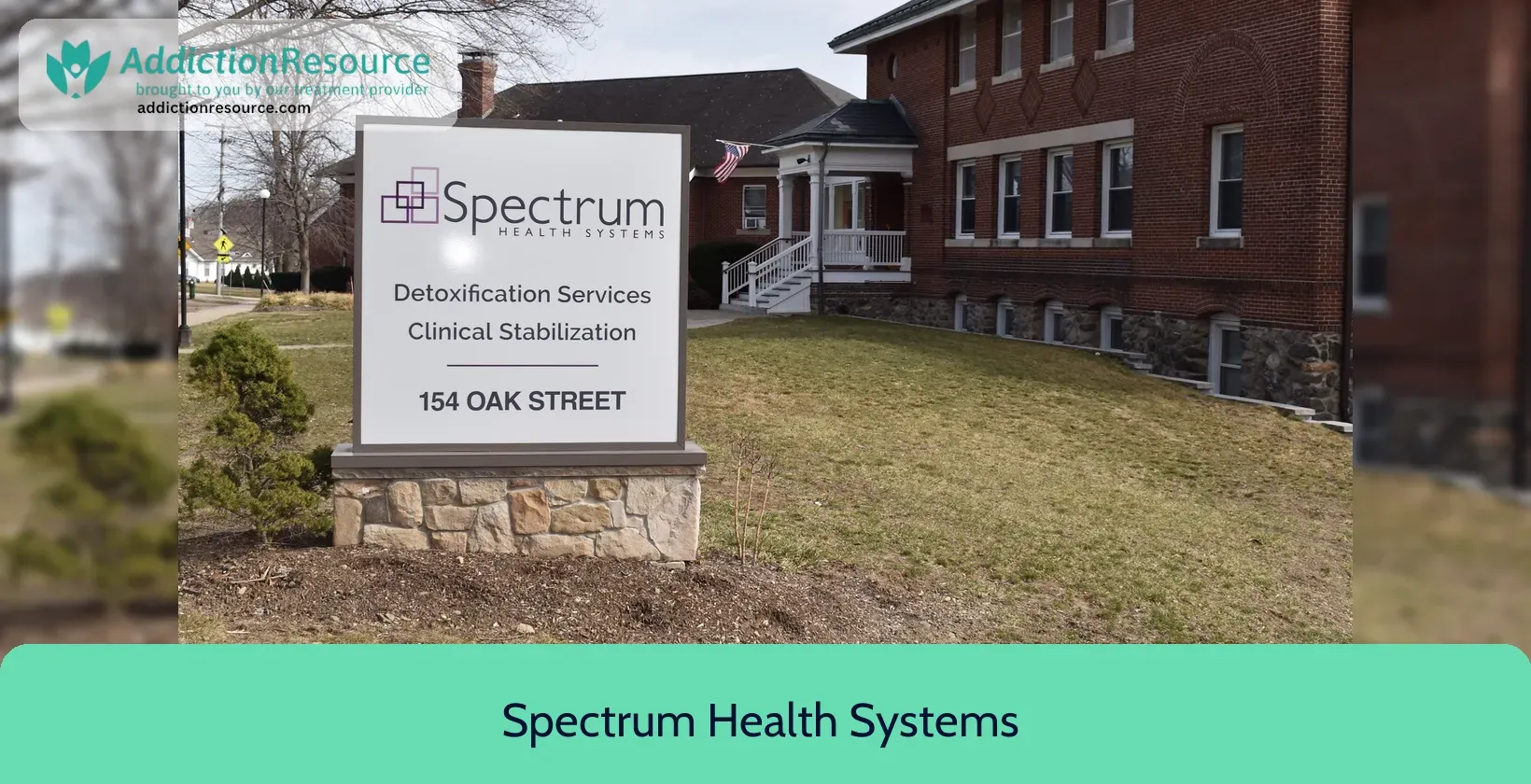
In order to practice at Spectrum Health, doctors must possess specific credentials to ensure the highest quality of care for patients. These credentials are essential for maintaining the trust and confidence of the community in the healthcare provided by Spectrum Health.
Specific Credentials at Spectrum Health
- Medical Degree: All doctors must have completed medical school and obtained a Doctor of Medicine (MD) or Doctor of Osteopathic Medicine (DO) degree.
- Residency Training: Doctors must have completed a residency program in their chosen specialty to gain the necessary experience and expertise.
- Board Certification: Obtaining board certification in their specialty demonstrates a doctor's commitment to excellence and ongoing education.
- State Licensure: Doctors must be licensed to practice medicine in the state where they are providing care.
Comparison with Other Healthcare Providers
- Spectrum Health follows a rigorous credentialing process to ensure that all doctors meet the highest standards of quality and competence.
- Compared to some other healthcare providers, Spectrum Health may have more stringent requirements for credentialing to uphold their reputation for excellent patient care.
- The credentialing process at Spectrum Health may involve thorough background checks, verification of education and training, and ongoing monitoring of performance.
Consequences of Practicing Without Credentials at Spectrum Health
- Doctors who practice without the necessary credentials at Spectrum Health may face disciplinary action, including suspension or revocation of their privileges to practice at the institution.
- Patient safety and quality of care are top priorities at Spectrum Health, so any lapses in credentialing can have serious consequences for both the doctor and the patients they are treating.
- By upholding strict credentialing standards, Spectrum Health ensures that patients receive care from qualified and competent healthcare providers who meet the highest professional standards.
Methods of Verifying Credentials
When it comes to verifying a doctor's credentials at Spectrum Health, patients have several options available to them. It's important to ensure that the healthcare provider you choose is qualified and capable of providing the best care possible. Here are some steps patients can take to verify a doctor's credentials and ensure they are in good hands
Online Verification Tools
One of the most convenient ways to verify a doctor's credentials is by using online verification tools provided by Spectrum Health. These tools allow patients to easily look up a doctor's qualifications, certifications, and any disciplinary actions that may have been taken against them.
By entering the doctor's name or license number, patients can quickly access this information and make informed decisions about their healthcare provider.
State Licensing Boards
Another reliable method of verifying a doctor's credentials is by checking with the state licensing board where the doctor practices. These boards oversee the licensing and regulation of healthcare professionals and can provide information about a doctor's education, training, and any disciplinary actions.
Patients can contact the state licensing board directly or visit their website to access this information.
Professional Organizations
Patients can also verify a doctor's credentials by checking with professional organizations or specialty boards related to the doctor's field of practice. These organizations often have directories or databases that list certified professionals and their credentials. By consulting these resources, patients can confirm a doctor's qualifications and expertise in a specific area of medicine.
Independent Research
In addition to using online tools and contacting licensing boards, patients can also conduct their own independent research to verify a doctor's credentials. This may involve checking the doctor's educational background, training programs, board certifications, and any publications or research they have been involved in.
By gathering this information, patients can gain a better understanding of a doctor's qualifications and make informed decisions about their healthcare.
Importance of Board Certification

Board certification holds significant importance in the medical field as it signifies that a doctor has met specific requirements and standards set by a professional medical board. This certification indicates that the doctor has undergone additional training, passed rigorous exams, and demonstrated expertise in a particular specialty.
Adding Value to a Doctor's Credentials
- Board certification provides reassurance to patients that the doctor has the necessary skills and knowledge to provide high-quality care.
- It enhances the credibility and reputation of the doctor, showcasing their commitment to continuous learning and excellence.
- Insurance companies and healthcare institutions often prefer to work with board-certified physicians due to their proven proficiency in their field.
Specialties Where Board Certification is Crucial
- Cardiology: Board-certified cardiologists have advanced training and skills to diagnose and treat heart conditions effectively.
- Oncology: Board certification in oncology ensures that the physician has specialized knowledge in treating various forms of cancer.
- Neurosurgery: Board-certified neurosurgeons have undergone extensive training to perform complex surgical procedures on the brain and nervous system.
Question Bank
Why is it important to verify a doctor's credentials?
Verifying a doctor's credentials ensures they have the necessary qualifications and training to provide quality care.
What are the consequences of seeing an uncredentialed doctor at Spectrum Health?
Seeing an uncredentialed doctor can pose risks to patient safety and lead to subpar medical care.
How can patients verify a doctor's credentials at Spectrum Health?
Patients can verify a doctor's credentials by checking with Spectrum Health directly or using online resources like professional licensing boards.
Why is board certification important in the medical field?
Board certification signifies that a doctor has met specific standards and has advanced training in their specialty, ensuring expertise and quality care.