

What is Live-in Home Care?

Live-in home care is a type of service where a caregiver resides in the home of the individual requiring assistance. This caregiver provides around-the-clock support with activities of daily living, companionship, and personalized care.
Unlike other types of home care services that may offer hourly or part-time assistance, live-in home care provides continuous care and supervision, ensuring that the individual has someone available at all times to help with their needs.
Benefits of Live-in Home Care
- 24/7 Support: With a live-in caregiver, there is always someone present to provide assistance, enhancing safety and peace of mind for the individual and their family.
- Personalized Care: Live-in caregivers can offer personalized care tailored to the specific needs and preferences of the individual, promoting independence and dignity.
- Companionship: The continuous presence of a caregiver can reduce feelings of loneliness and isolation, improving the overall well-being of the individual.
- Cost-Effective: In some cases, live-in home care can be more cost-effective than other types of care services, especially for individuals requiring extensive support.
Important Questions to Ask Before Hiring Live-in Home Care Services
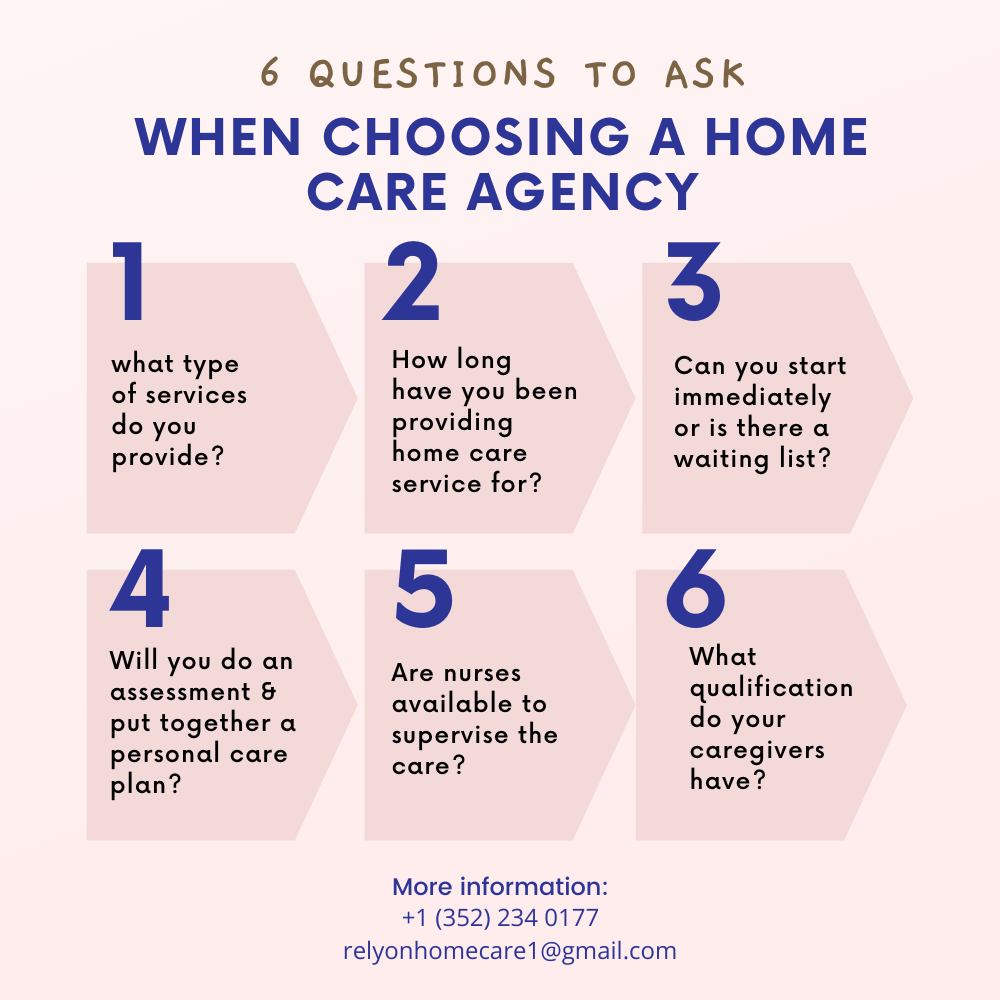
When considering live-in home care services for yourself or a loved one, it is crucial to ask the right questions to ensure the best possible care. Here are some key questions to ask potential live-in home care providers:
1. Caregiver Qualifications and Experience
It is essential to inquire about the qualifications and experience of the caregiver who will be providing care. Some questions to consider asking include:
- What training and certifications does the caregiver have?
- How many years of experience does the caregiver have in providing live-in home care?
- Can the caregiver provide references from previous clients?
2. Caregiver Availability and Flexibility
Understanding the caregiver's availability and flexibility is crucial for ensuring that the care needs are met. Consider asking the following questions:
- Is the caregiver available to provide care 24/7 or only during specific hours?
- What happens if the caregiver needs time off or gets sick?
- Is there a backup plan in place in case the primary caregiver is unavailable?
3. Caregiver Duties and Responsibilities
Clarifying the caregiver's duties and responsibilities can help set expectations and ensure that all necessary tasks are being taken care of. Ask questions such as:
- What specific tasks and services will the caregiver provide?
- Is the caregiver comfortable assisting with personal care, medication management, and household chores?
- How will the caregiver communicate with family members and healthcare providers about the care recipient's needs?
Understanding the Cost of Live-in Home Care
When considering live-in home care services for yourself or a loved one, it is essential to understand the factors that contribute to the cost, the payment options available, and how it compares to other care options.
Live-in home care costs vary depending on several factors:
Factors that Contribute to the Cost of Live-in Home Care
- The level of care needed: Individuals with more complex medical needs or require specialized care may incur higher costs.
- Location: The cost of live-in home care can differ based on the region and availability of caregivers in that area.
- Caregiver experience and training: Caregivers with specialized training or extensive experience may charge higher rates.
- Duration of care: Longer durations of care will naturally result in higher costs.
Different Payment Options Available for Live-in Home Care Services
- Private pay: Clients or their families can directly pay for live-in home care services out of pocket.
- Long-term care insurance: Some long-term care insurance policies cover live-in home care services, depending on the terms of the policy.
- Medicaid: Eligible individuals may receive financial assistance for live-in home care services through Medicaid, although coverage varies by state.
- Veterans benefits: Veterans or their spouses may be eligible for financial assistance for live-in home care through the Veterans Administration.
Comparing the Cost of Live-in Home Care with Other Care Options
- Live-in home care is generally more cost-effective than assisted living facilities, as it allows individuals to receive personalized care in the comfort of their own homes.
- Assisted living facilities may have additional fees for different levels of care and accommodation, making them more expensive in the long run compared to live-in home care.
Evaluating the Quality of Live-in Home Care Providers
When looking for a live-in home care provider, it is essential to thoroughly research and evaluate the quality of the agencies offering these services. This ensures that you choose a caregiver who meets your loved one's needs and provides exceptional care.
Researching and Evaluating Reputation
Before hiring a live-in home care provider, take the time to research and evaluate the reputation of the home care agencies. Look for agencies with a solid track record of providing high-quality care and positive feedback from clients.
- Check online reviews and ratings on platforms like Google, Yelp, or Facebook to get an idea of the experiences other families have had with the agency.
- Ask for recommendations from healthcare professionals, social workers, or friends who have experience with live-in home care providers.
- Verify that the agency is licensed, bonded, and insured to ensure they meet industry standards for care.
Checking References and Reviews
Checking references and reviews is crucial in determining the quality of a live-in home care provider. By speaking with past clients and their families, you can gain valuable insight into the caregiver's skills, reliability, and overall performance.
- Ask the agency for references from previous clients and follow up with phone calls or meetings to discuss their experience.
- Look for testimonials or reviews on the agency's website or other online platforms to see what clients have to say about the care they received.
- Consider reaching out to local senior centers or community organizations for recommendations on reputable home care providers.
Qualities to Look for in a Live-in Home Care Provider
When evaluating potential live-in home care providers, consider the following qualities to ensure you choose a caregiver who can meet your loved one's needs:
- Compassionate and empathetic towards the client's situation.
- Experienced and trained in providing specialized care for seniors or individuals with specific medical conditions.
- Reliable, punctual, and able to follow a care plan consistently.
- Good communication skills to effectively interact with the client and their family members.
- Flexible and adaptable to changing care needs and schedules.
FAQs
What qualifications should I look for in a live-in caregiver?
Look for caregivers with proper certifications, relevant experience, and a compassionate attitude towards caregiving.
How do I determine the cost of live-in home care services?
Costs vary based on location, level of care needed, and additional services required. Request a detailed breakdown of costs from potential providers.
What are the benefits of choosing live-in home care over assisted living facilities?
Live-in home care offers personalized one-on-one attention, familiar surroundings, and more flexibility compared to assisted living facilities.